
 Viewed: 182
This article is translated from the Chinese-language original of
Commentary on China's Wine Industry, Volume 1.
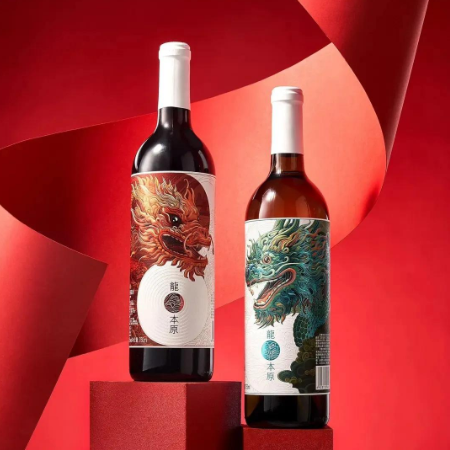
The Chinese zodiac is a unique cultural symbol deeply embedded in the Chinese national identity, the most recognizable cultural mark of the Spring Festival, carrying the expectations of bidding farewell to the old and welcoming the new, and inherently boasting nationwide public attention and emotional resonance. From festive decorations to daily consumer goods, from high-end gift offerings to mass-market consumption, zodiac elements can almost always easily ignite market enthusiasm and become a critical bond for brands to connect with consumers.
Domestic wine has naturally seized this cultural dividend. As the Spring Festival approaches, almost all domestic wine producers, from leading wineries to affordable wine enterprises, launch zodiac-themed wine products: red-and-gold gift boxes decorated with zodiac patterns, accompanied by pervasive marketing campaigns, attempting to seize the festive market and anchor local cultural sentiment by leveraging the popularity of the zodiac. However, behind the bustling zodiac craze, two thought-provoking questions have become increasingly prominent: Will consumers truly pay for these flood of zodiac-themed wines? Is this industry-wide zodiac boom a successful localized breakthrough for Chinese wine, or merely superficial symbolic speculation?
The answer lies in the superficial appropriation of zodiac symbols by most domestic wine brands: we hold the cultural treasure with the strongest local identity, yet we only treat it as a "labeling tool" for quick monetization. The Chinese zodiac is never a simple animal pattern, but a cultural code engraved in the Chinese people’s bones and a national spirit passed down through generations.
Looking at the current zodiac-themed domestic wines on the market, most have fallen into the misunderstanding of "symbol piling": the Year of the Horse features a red-and-gold background with a cartoon horse, the Year of the Sheep uses sheep patterns paired with auspicious phrases, following a stereotyped festive routine, with few brands delving into the cultural core behind the zodiac. Even a small number of brands that claim to "deeply cultivate culture" only rigidly splice zodiac signs with scattered traditional elements, failing to achieve deep resonance between culture and products. This perfunctory attitude exposes the eagerness for quick success of most domestic wine producers. They only want to capitalize on the zodiac trend for rapid monetization, but are unwilling to spend time exploring cultural connotations, eventually reducing zodiac-themed wines to soulless festive fast-moving consumer goods, running counter to the original intention of "cultural empowerment".
If cultural appropriation is the "core flaw" of zodiac-themed wines, the lackluster design disconnected from contemporary aesthetics is their "appearance shortcoming". Most current domestic zodiac-themed wine designs seem to be trapped in a fixed template: red or gold color schemes, rough zodiac illustrations, and cumbersome gift box packaging. They either appear tacky due to excessive pursuit of "festive atmosphere", or lack originality by rigidly imitating traditional elements, failing to meet Generation Z’s dual demands for "aesthetic appeal and connotation", and unable to break the stereotyped impression of domestic wine as "low-end and outdated". This design inertia essentially reflects the lack of brand innovation capability and disregard for contemporary consumption trends.
The most fatal shortcoming lies in the wine quality itself. Most zodiac-themed wines only focus on "outer appearance" while neglecting "inner quality", with worrying quality performance and no presentation of regional terroir characteristics. When launching zodiac-themed wines, some wineries only devote their energy to packaging design and marketing hype, treating the wine quality itself perfunctorily. Worse still, some producers "change the bottle without changing the wine" — repackaging ordinary wine into zodiac gift boxes and doubling the price, which completely fails to meet the high-quality standards that commemorative zodiac wines should have.
More notably, zodiac-themed wines barely show any trace of regional terroir characteristics. The unique flavors endowed by the terroir of different Chinese wine regions — the Tianshan snow water in Xinjiang, the dry climate in Ningxia, the high-altitude snow-covered areas in Yunnan, and the coastal monsoon in Shandong — are rarely explored by wineries in their zodiac-themed products, as if all zodiac wines are produced from the same generic template.
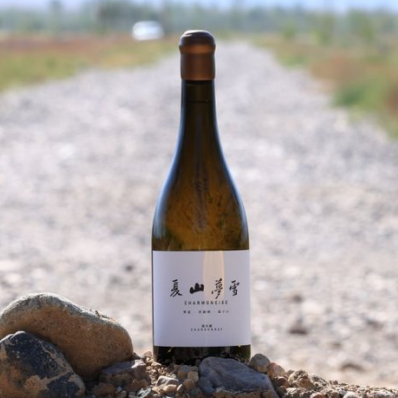
In contrast, Tiansai Winery, a benchmark for domestic zodiac wines, is one of the first batches of domestic wine producers to launch zodiac-themed wines. It has continuously released new zodiac wine vintages for 14 consecutive years, and has built a highly terroir-driven zodiac wine series with distinct regional characteristics and strong market recognition through in-depth cultivation of local terroir. Compared with it, most domestic zodiac-themed wines are still trapped in the misunderstanding of "valuing packaging over quality". This neglect of quality and regional characteristics not only erodes consumer trust, but also deprives zodiac-themed wines of the foundation for long-term survival.
Zodiac-themed wines are not inherently flawed. They could have served as a bridge for domestic wine to connect traditional culture with contemporary consumers, and as an important carrier to highlight regional terroir characteristics and enhance brand value. However, the eagerness for quick success of most domestic wine enterprises has reduced them to short-lived "hit products" that only "flash during the festival". This not only fails to boost the development of the industry, but also intensifies homogeneous competition, seriously eroding the public credibility of both zodiac culture and domestic wine brands.
Genuine localization is never a simple piling of single elements, but the organic integration of traditional cultural connotations, contemporary design aesthetics and wine quality — every bottle of zodiac-themed wine should allow consumers to taste the sincerity of regional terroir and winemaking craftsmanship.
The carnival of zodiac-themed wines will eventually come to an end, and there are no shortcuts for Chinese wine to achieve breakthrough and transformation.
Reference
Hou, H., & Liu, K. (2022). Design integration of zodiac imagery and "trendy toys". Yi Hai, (02), 75-78.
Miao, L., & Xiao, Y. (2025). Research on the packaging design of Tiansai Winery's zodiac wine with cultural confidence integrated into local elements. China Packaging, 45(09), 72-79.
Bu, M. (2021). Research on the IP image design of the Chinese zodiac under the background of Guochao culture (Master's dissertation, Hunan Institute of Science and Technology).
Xiao, L. (2019). Benmingnian culture (Master's dissertation, Jilin University).
Zhang, S. (2007). The origin and development process of Chinese zodiac culture (Master's dissertation, Beijing Language and Culture University).
Author's Bibliography
PhD in Hotel and Tourism Management, The Hong Kong Polytechnic University; Master of Tourism and Hotel Management, School of Business Administration, Sun Yat-sen University. She holds an associate senior professional title, is a senior dual-qualified teacher, and was selected into the "Ten Thousand Tourism Talents" Program initiated by the former China National Tourism Administration.
With 20 years of frontline teaching experience in vocational education for the High-Star Hotel Operation and Management specialty, and over 15 years of dedication to wine vocational education and professional training, Dr. Xia has obtained multiple internationally recognized professional wine certifications, including the WSET Level 3 Advanced Award in Wines (UK) and the ISG Advanced Sommelier Qualification (USA). She has led and participated in nearly 10 national and provincial research projects, and was awarded the Second Prize of the National Teaching Achievement Award. Her academic publications include 1 officially published academic monograph and 2 textbooks, and she also owns 1 industrial design patent and 2 computer software copyrights. She has been invited to deliver keynote speeches at industry events on multiple occasions, and has served as a judge and executive director for major competitions in the wine and beverage industry.